Weather Events and Zika Virus
Investigating the impact of hurricanes and flooding on the transmission dynamics of vector-borne diseases, with a focus on Zika virus
Abstract
The Zika virus (ZIKV) is a positive-sense single-stranded RNA virus of the Flaviviridae family, and has emerged as a global health concern due to its rapid geographic expansion and diverse transmission routes. First discovered in Uganda in 1947, ZIKV is primarily transmitted via the mosquito vectors Aedes aegypti and Aedes albopictus, which thrive in tropical and subtropical climates. ZIKV is linked to severe birth defects, such as microcephaly, particularly when contracted during pregnancy. Otherwise, it appears with symptoms such as fever, joint pain, and malaise.
Climate change has exacerbated ZIKV outbreaks by expanding mosquito breeding ranges and increasing the frequency of severe tropical storms. This, coupled with the proliferation of the Ae. albopictus mosquito, which is expanding its range across North America, makes ZIKV an attractive target of study. Hurricanes, with their associated rainfall and inadvertent production of standing water, create optimal breeding conditions for mosquitoes, amplifying vector populations and increasing ZIKV transmission risk.
This study investigates the relationship between high rainfall events and ZIKV outbreaks in Puerto Rico from 2015-2017, focusing on post-rainfall mosquito proliferation and ZIKV transmission dynamics. By analyzing precipitation data, mosquito abundance, and ZIKV case counts, we aim to quantify the impact of rainfall events on ZIKV transmission, effects on differing socioeconomic demographics, and inform future public health and weather responses to vector-borne diseases that follow similar patterns to ZIKV and similarly-vectored viruses.
Introduction
Zika Background
The Zika virus (ZIKV) is a positive-sense single-stranded RNA virus belonging to the genus Flavivirus of the Flaviviridae family (Musso and Gubler, 2016). It was first discovered in 1947 in the Zika forest of Uganda in a Rhesus macaque (Musso and Gubler, 2016), and was subsequently isolated from an Aedes africanus mosquito in 1949. As such, it is classified as an arbovirus, transmitted by vectors such as mosquitoes. Among its main vectors are Aedes aegypti and Aedes albopictus, both common in tropical and temperate regions worldwide (Laporta et al., 2023).
ZIKV has adapted to multiple routes of transmission, primarily vector-borne transmission via mosquito-host interactions. As an arbovirus, ZIKV exists in two transmission cycles: sylvatic and urban. The sylvatic cycle refers to viral transmission in forested or rural areas (da Silva et al., 2024), where humans are not the target host but rather other animals such as non-human primates, allowing ZIKV to persist in wild host reservoirs with humans incidentally infected through sylvatic-urban interfaces — transitional zones where urban environments overlap with natural ecosystems. The urban cycle, in contrast, involves humans as the main host, raising greater public health concern in densely populated areas.
Humans and mosquitoes are exposed to ZIKV in a cyclical pattern: a mosquito bites an already-infected human and becomes infected itself. The infectious blood meal infects tissues surrounding the digestive system and becomes a systemic infection that breaks through to the mosquito’s saliva. Following an incubation period of around four days (Tesla et al., 2018), the mosquito becomes infectious and delivers ZIKV particles to its next human host. Following a bite from an infectious mosquito, ZIKV particles — which have a wide cell tropism — infect local skin cells and enter the bloodstream, becoming a systemic infection. After 3-14 days, assuming an unsuccessful immune response, the exposed human becomes infectious, and the next mosquito to take a blood meal continues the cycle (Bhardwaj et al., 2021).
This cycle is endemic in tropical regions of Africa, where warm weather and high moisture are common. Vectors such as Ae. aegypti and Ae. albopictus breed and proliferate in man-made containers and ephemeral stagnant water habitats (Brady and Hay, 2020), allowing significant viral transmission during seasons or events with large numbers of breeding habitats, such as high rainfall events or hurricanes. Ae. aegypti mosquitoes are prevalent in these regions and are the main vectors for ZIKV transmission; during rainy seasons, mosquitoes are prevalent enough that the risk for ZIKV and other arboviruses is high, leading to outbreaks of alphavirus-related illnesses, including Zika fever.
Those most frequently exposed are the elderly, women, children, and those who spend the majority of their working day outdoors or in open areas where mosquitoes freely roam. In developing countries where insulated buildings and air conditioning are uncommon, high-risk groups are exposed via open doors and windows that allow mosquitoes to enter homes and businesses. Areas with high instances of standing water after a storm or poor drainage infrastructure are at increased risk, as mosquitoes frequently use standing water to reproduce. Travelers to endemic regions can become infected with ZIKV and unknowingly bring the infection home during the incubation period (Bhardwaj et al., 2021), which can then be transmitted sexually or picked up by local mosquitoes, beginning a local cycle of infection.
Geographic Expansion of Vectors
Climate change has increased the range in which the mosquito vector can successfully reproduce and transmit the virus. Geographic expansion and migration of the Asian tiger mosquito (Ae. albopictus) from Asia to the Americas has expanded the transmission range from tropical areas only to cooler, temperate zones as well. This vector has slowly migrated to other regions of the world, showing increasing prevalence in Europe and the Americas to the point that it is considered invasive and is actively displacing Ae. aegypti due to advantages in ecological competition (Juliano et al., 2004; Denlinger and Armbruster, 2014; Armbruster, 2016).
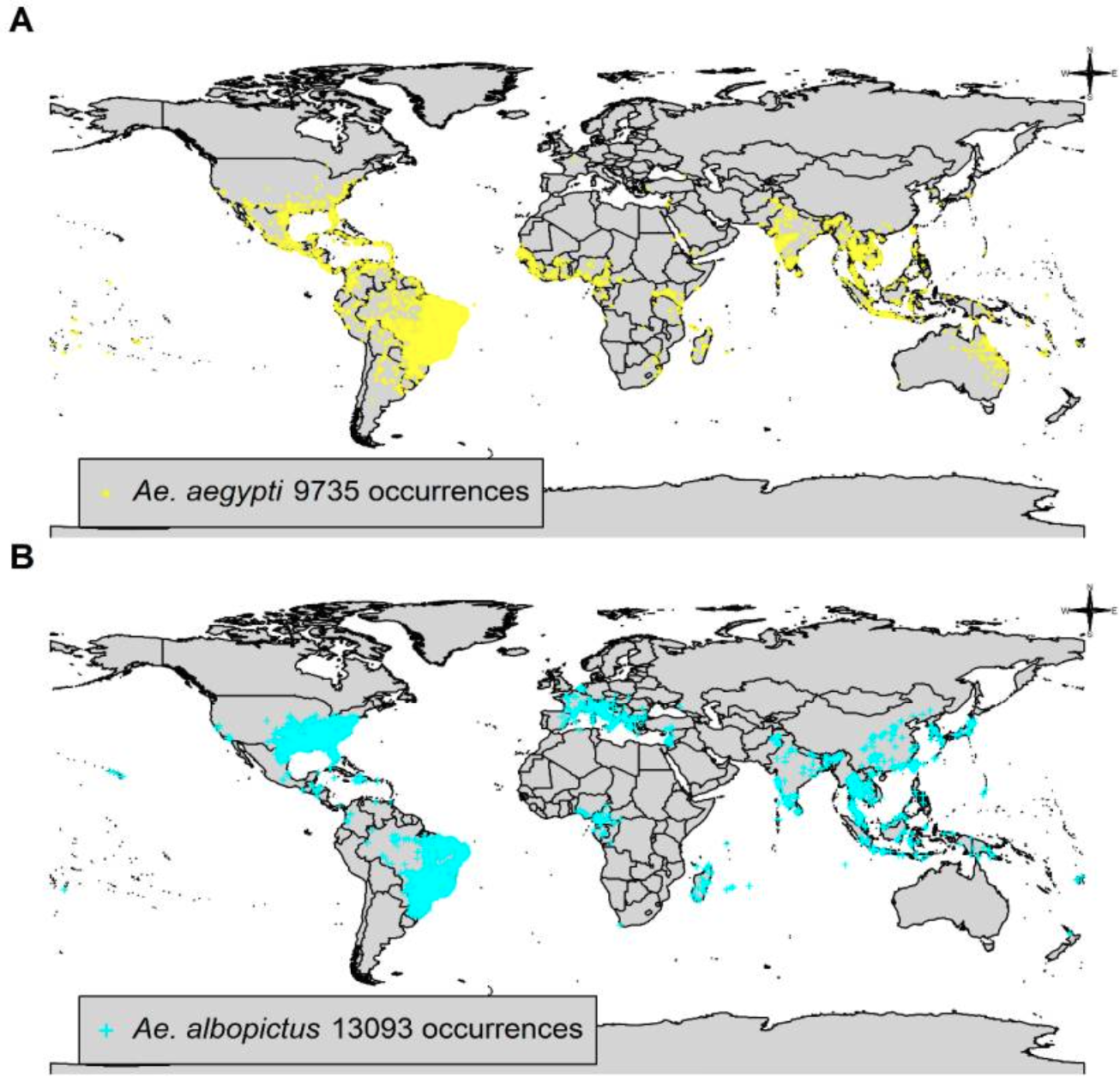
ZIKV saw its first documented infection in Nigeria in 1954 (Macnamara, 1954), with later reports in Southeast Asia that same year (Smithburn et al., 1954). The first notable outbreak was reported from the Yap Islands of Micronesia in 2007 (Duffy et al., 2009), followed by outbreaks in Thailand and French Polynesia (Buathong et al., 2015; Musso et al., 2018). ZIKV gained worldwide attention when it emerged in the Americas in 2015 and was associated with birth defects (Heukelbach et al., 2016; Metsky et al., 2017).
Mosquito transmission of ZIKV is highly dependent on environmental temperature (Adelman et al., 2013; Gloria-Soria et al., 2017; Huber et al., 2018; Tesla et al., 2018). Transmission is rare in temperate climates, mainly circulating in tropical zones, but with the additional vector Ae. albopictus — which can grow and develop in cooler climates of 15-35°C (Holland et al., 1982) — and tropical climate zones expanding due to global warming, ZIKV transmission may grow from a seasonal virus in some regions to a year-round transmissible virus. A high mutation frequency (Domingo et al., 1978; Holland et al., 1982) results in major phenotypic and genotypic differences between prominent Asian and African lineages as the virus migrates to new regions (Haddow et al., 2012). Recent outbreaks beginning in 2007 have originated from the more infectious Asian lineage, spreading through the Asia-Pacific region and eventually into the Americas in 2015 (Haddow et al., 2012; Faye et al., 2014; Musso and Gubler, 2016). This poses a significant threat, as there is no available vaccine.
Due to its ability to rapidly adapt to its host, its neuropathological effects, wide cell tropism, and multimodal transmission (Musso et al., 2014; Hamel et al., 2015; Musso et al., 2015; Carteaux et al., 2016; El Costa et al., 2016; Li et al., 2016; Miner et al., 2016; Mlakar et al., 2016; Oliveira Melo et al., 2016; Michlmayr et al., 2017; Murray et al., 2017), health authorities have labeled arboviruses such as ZIKV as a potential pandemic threat, announcing the Global Arbovirus Initiative in 2022 (WHO, 2022). It remains a dangerous pathogen for at-risk communities such as immunocompromised adults, children, and especially pregnant women, who may give birth to children with abnormalities such as microcephaly if infected (El Costa et al., 2016; Mlakar et al., 2016; Oliveira Melo et al., 2016).
Effects of Rainfall on ZIKV Transmission
Hurricanes and their associated events, such as higher-than-average rainfall, play a role in increasing mosquito vector populations. Because Ae. aegypti and Ae. albopictus are highly dependent on environmental conditions (Adelman et al., 2013; Gloria-Soria et al., 2017; Holland et al., 1982; Huber et al., 2018; Tesla et al., 2018), hurricane-induced increases in rainfall and subsequent flooding can create and expand mosquito breeding habitats in the form of standing, often brackish, water (Brady and Hay, 2020). Given the latency between egg-laying and adult emergence, hurricane conditions provide the environmental push needed to spike mosquito populations in the following weeks — a period that aligns with the viral incubation period in mosquitoes and then humans, making the post-hurricane landscape riskier for vector-borne disease outbreaks like ZIKV.
Regions such as the Gulf of Mexico are no strangers to this cycle. Puerto Rico, for instance, experienced widespread and severe damage to public infrastructure during Hurricane Maria in 2017, allowing a surge in mosquito abundance alongside hindered local mosquito control efforts. A 2019 study of Hurricane Maria’s rainfall found that it produced the strongest single rainfall event Puerto Rico had seen since at least 1956 (Keellings & Hernández Ayala, 2019). Similarly, Hurricane Irma’s flooding in Florida during the same season saw upticks in mosquito populations; public health officials noted that even with “rapid” vector-control deployment, large-scale flooding in Florida likely contributed to a rise in Ae. aegypti populations (CDC, 2016). Hurricane Harvey’s sweep over Texas in 2017 also led to unprecedented flooding — while the correlation between Harvey and ZIKV transmission is not definitive, locally acquired ZIKV was noted predominantly in specific Texas counties, likely due to the state’s semi-tropical climate favoring Ae. mosquitoes (Hinojosa et al., 2020).
This work examines the effects of rainfall on ZIKV transmission and incidence in Puerto Rico during 2015-2017 (hurricane season runs June to November). We hypothesize that, based on rain patterns and the potential for increased standing-water breeding habitats, increased rainfall will correlate with increased ZIKV transmission after a determined incubation period.
Methods
Rainfall in Affected Region: Data Collection
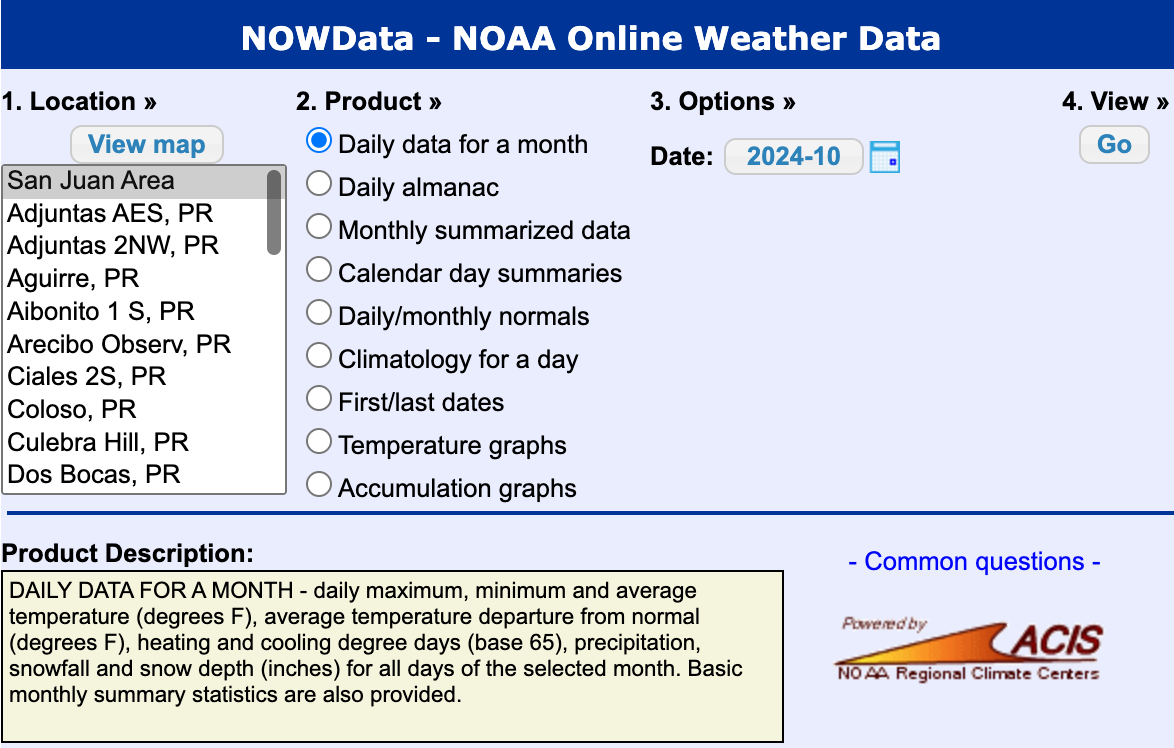
Precipitation data for Puerto Rico from 2015-2017 were collected from the National Oceanic and Atmospheric Administration (NOAA) and formatted to follow CDC epidemiological weeks for their respective years (NOAA, n.d.). This involved selecting the San Juan area, selecting “Daily data for a month” as the product, and individually selecting each month from January-December, 2015-2017, to establish the timeline for heavy rainfall events (see Figures 2 and 3 in Results). A simple graph was generated in R to show precipitation trends across 2015-2017, illustrating the heavy rainfall events typical of a tropical region such as Puerto Rico, where ZIKV and its vectors are endemic. Rainfall data (in millimeters) were derived from Dr. Barrera’s datasets and checked against NOAA for validity.
Mosquito Abundance and ZIKV Proliferation
We incorporated the average latency period of mosquito development (egg to biting adult) and the ZIKV incubation period in humans to model outbreak timing. Given the required 2-4 days for eggs to hatch (Cui et al., 2021), 7-22 days for pupal development to adulthood (Yang et al., 2020), a 4-16 day incubation period for the mosquito vector to become infectious (Tesla et al., 2018), and a 3-14 day incubation period for human hosts (Bhardwaj et al., 2021), we used an 8-week latent time period for our analysis (extended to 12 weeks to account for additional variance). This was combined with the rainfall data to assess how mosquito breeding conditions improve post-rainfall. Mosquito surveillance data were sourced from public health records and vector control programs in Puerto Rico, primarily from Dr. Barrera’s datasets for each study year.
We adapted the base VectorMap (Figure 1) to include only Ae. aegypti and Ae. albopictus occurrence throughout Puerto Rico. Sighting filters included both larval and adult stages, since either gives insight into mosquito abundance at a given location; identification method was not filtered, as both vectors are morphologically distinct via microscopy (scutum). We did not rely on earliest-year or earliest-month collected filters, since VectorMap relies on researcher-submitted data and does not encompass the full breadth of mosquito sightings within the territory.
Statistical Analysis
Data were analyzed using R (v. 4.4.2), with all data compiled in Microsoft Excel. Cross-correlation analysis compared precipitation data averaged across Puerto Rico (2015-2017) against confirmed Zika cases (CDC), using the ccf function in R; the same was done comparing precipitation and mosquito abundance. Lag was set from -12 to 12 weeks to account for the total time needed for mosquitoes to complete their life stages, acquire infections, and contribute to increased cases over a two-month window (with a third month included as a control). Time series analysis correlated high-precipitation events, mosquito abundance, and ZIKV case incidence. Finally, an STL (seasonal-trend decomposition using LOESS) was conducted to decompose each time series into three components — trend, seasonality, and noise — using the tsibble package to construct time series objects, STL() to decompose them, and components() to extract the trend, seasonal, and residual components. We chose STL decomposition because it accommodates weekly seasonality, shows long-term trends across years, and reveals irregularities in the residuals. Any rainfall data labeled “too low to count” was replaced with 0 to allow for statistical analysis.
Results
Hurricanes Lead to Greater Precipitation (and Mosquito Abundance)
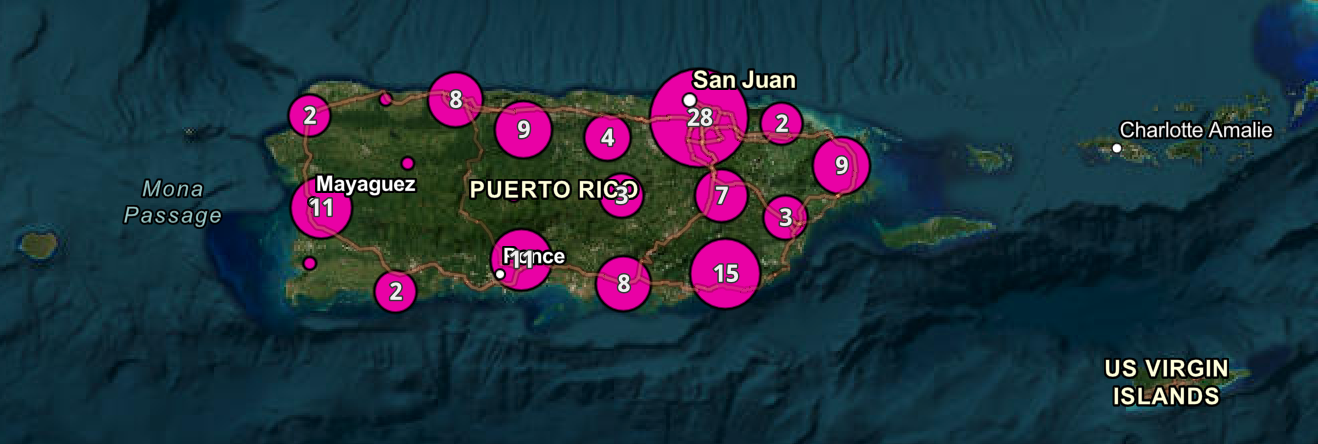
Mosquitoes were frequently sighted across Puerto Rico. Using VectorMap in ArcGIS (Figure 1), sightings of Ae. aegypti and Ae. albopictus were visualized to show population prevalence across the island in recent years. This figure serves to illustrate how widespread sightings of the main ZIKV vectors are, rather than to provide a comprehensive census.
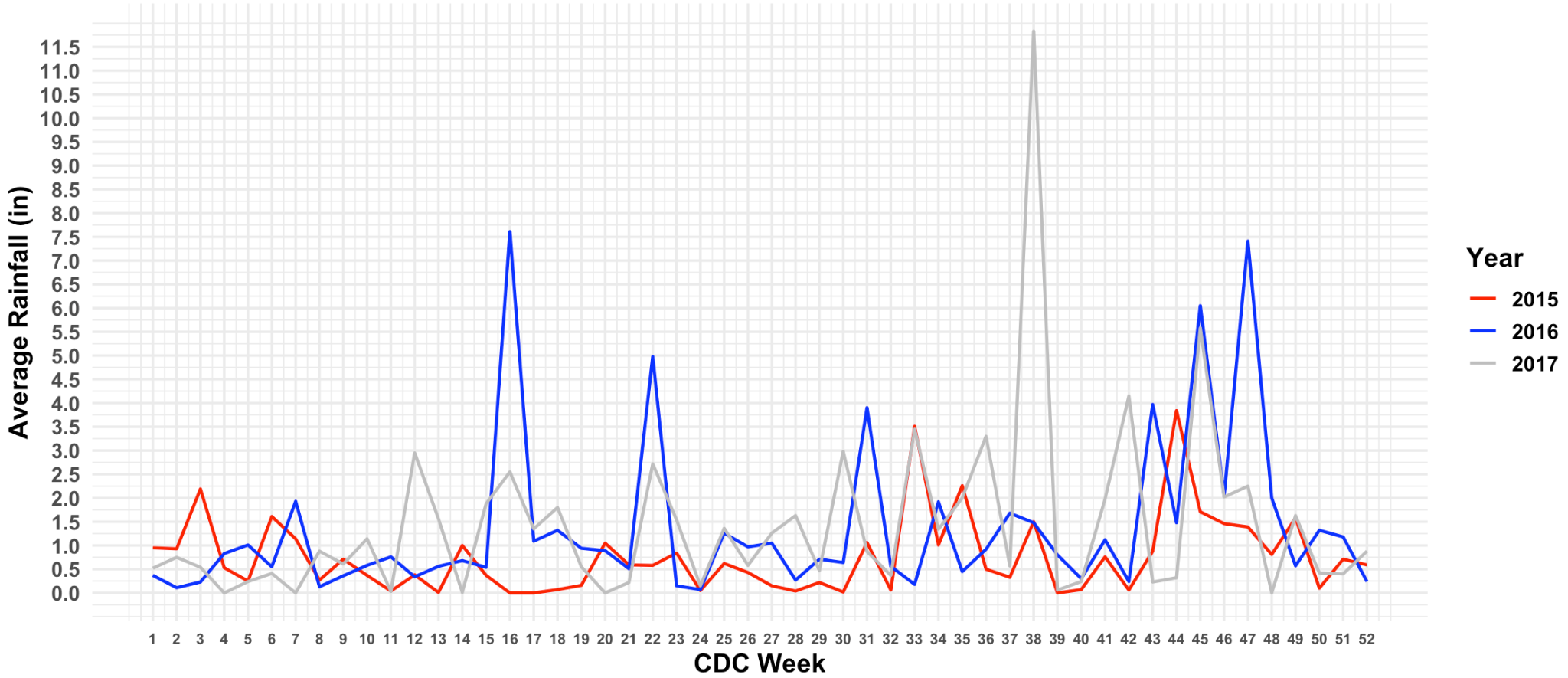
Average rainfall increased in 2016 compared to the surrounding years. Despite no major hurricanes making landfall, Puerto Rico had more high-rainfall events in 2016 than other years, each totaling over 4 inches and peaking at 7.5 inches. The large spike in 2017 reflects record rainfall from two Category 5 hurricanes, Irma and Maria, that year.
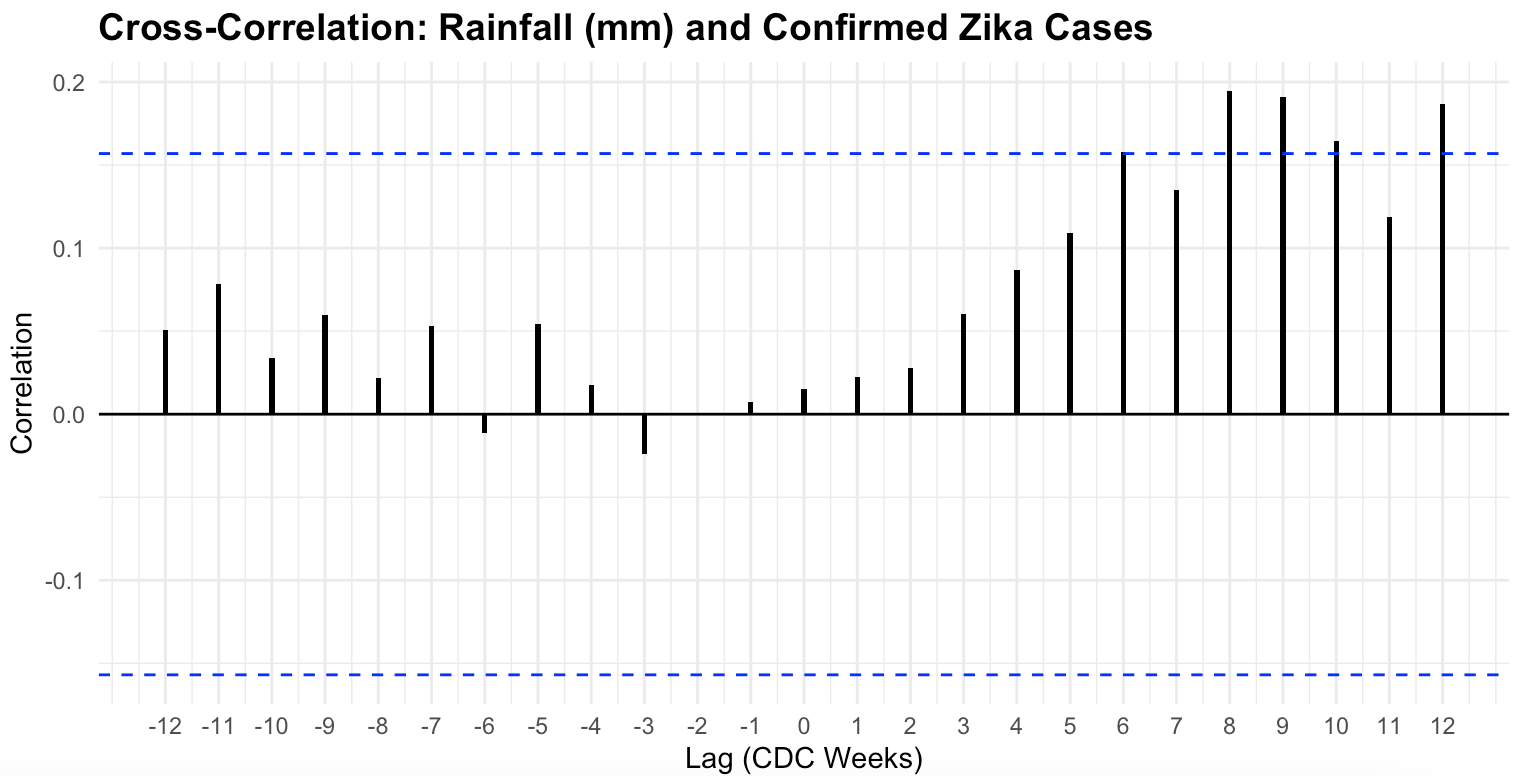
The cross-correlation examined whether greater preceding rainfall could lead to an increase in Zika cases. Lag was set between -12 and 12 weeks to cover the full time needed for mosquito breeding, adult emergence, infection, and subsequent transmission. Zika cases began to significantly increase following a heavy rainfall event at week 16 of 2016, and another heavy rainfall event followed at week 22. Case counts began rapidly increasing after week 19, peaking at week 33. Since significance was seen at weeks 8, 9, and 12, with no significance noted at negative lag (which would indicate Zika cases preceding rainfall), increases in rainfall appear to correlate with an increase in Zika cases.
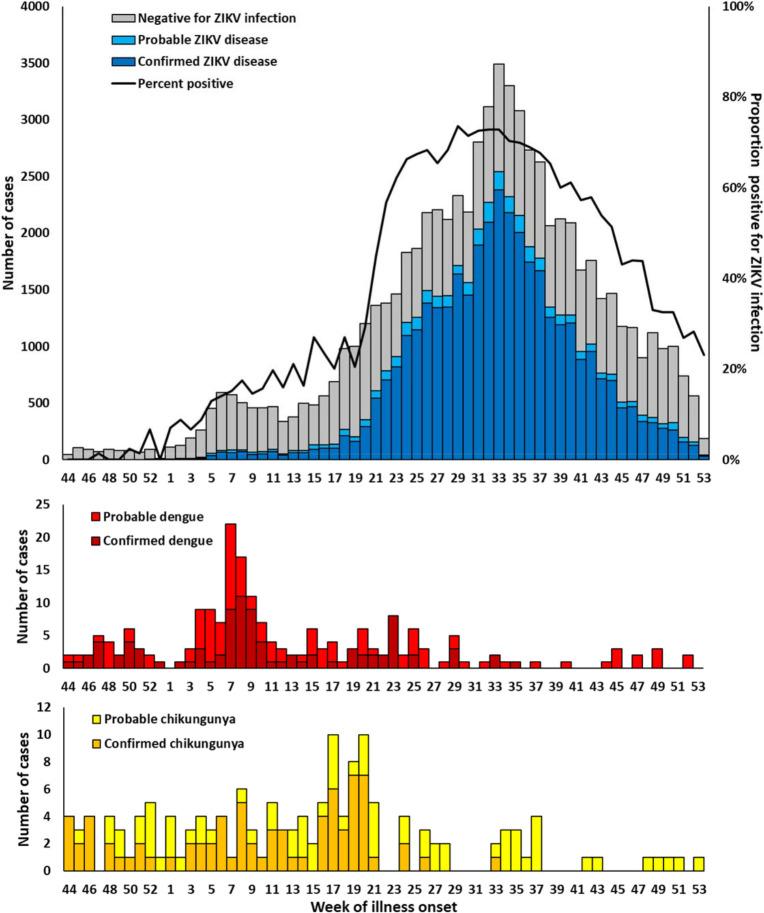
A significant increase in ZIKV transmission was observed during hurricane season in Puerto Rico. While there were no major hurricanes in 2016, increased mosquito sightings and infections likely resulted from the heavy rainfall events observed that season.
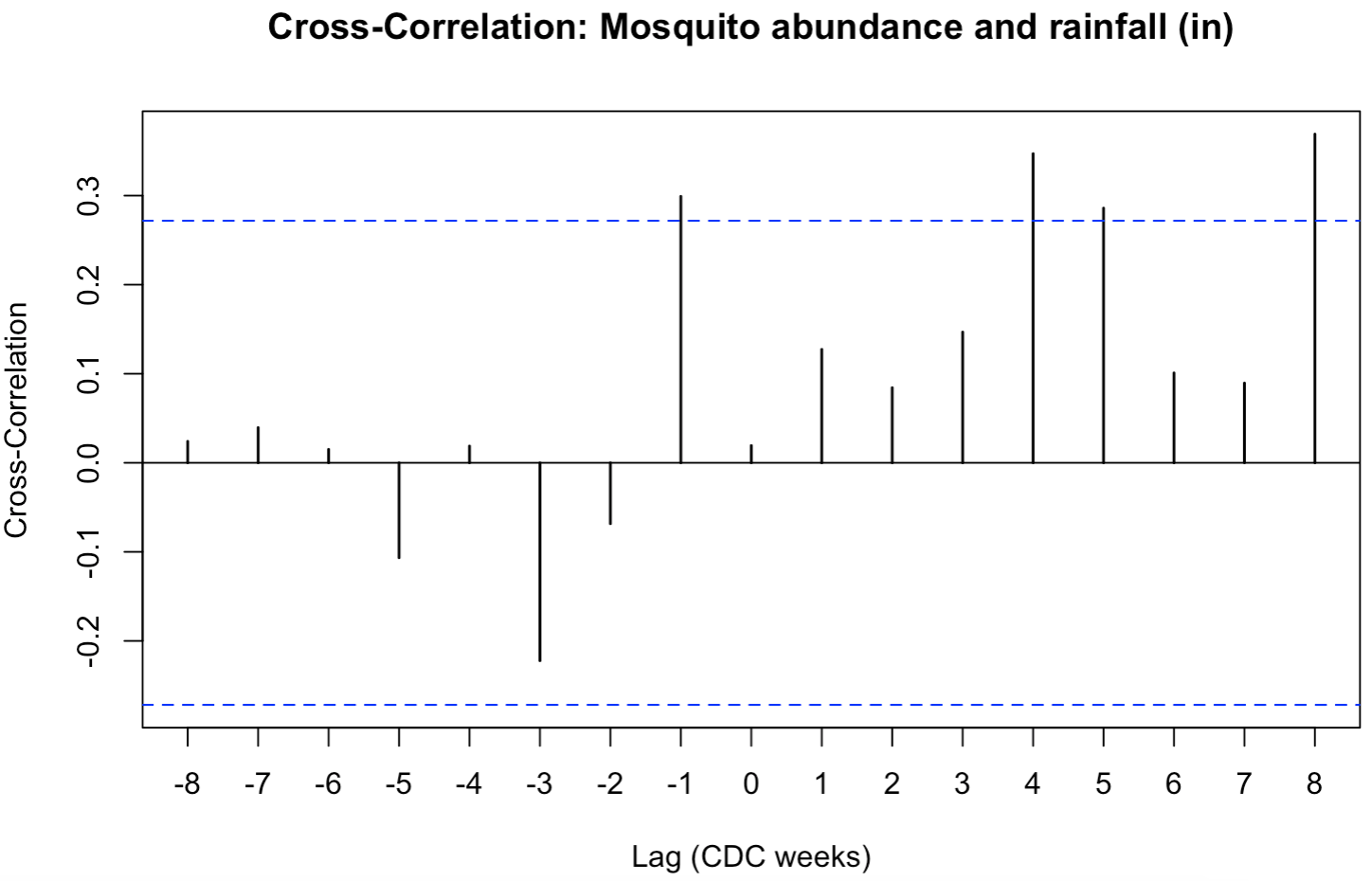
A cross-correlation for rainfall and mosquito abundance data showed moderate positive correlation with mosquito abundance at 4, 5, and 8 weeks lag, aligning with the mosquito life cycle of egg-laying and subsequent emergence (Barrera et al., 2016, whose mosquito abundance data was used for this correlation with the authors’ correspondence). While this does not entirely mirror the mosquito life cycle, since egg-to-adult emergence can take several weeks, it may indicate that prior mosquito emergence leads to greater abundance in subsequent generations following favorable, rainier conditions.
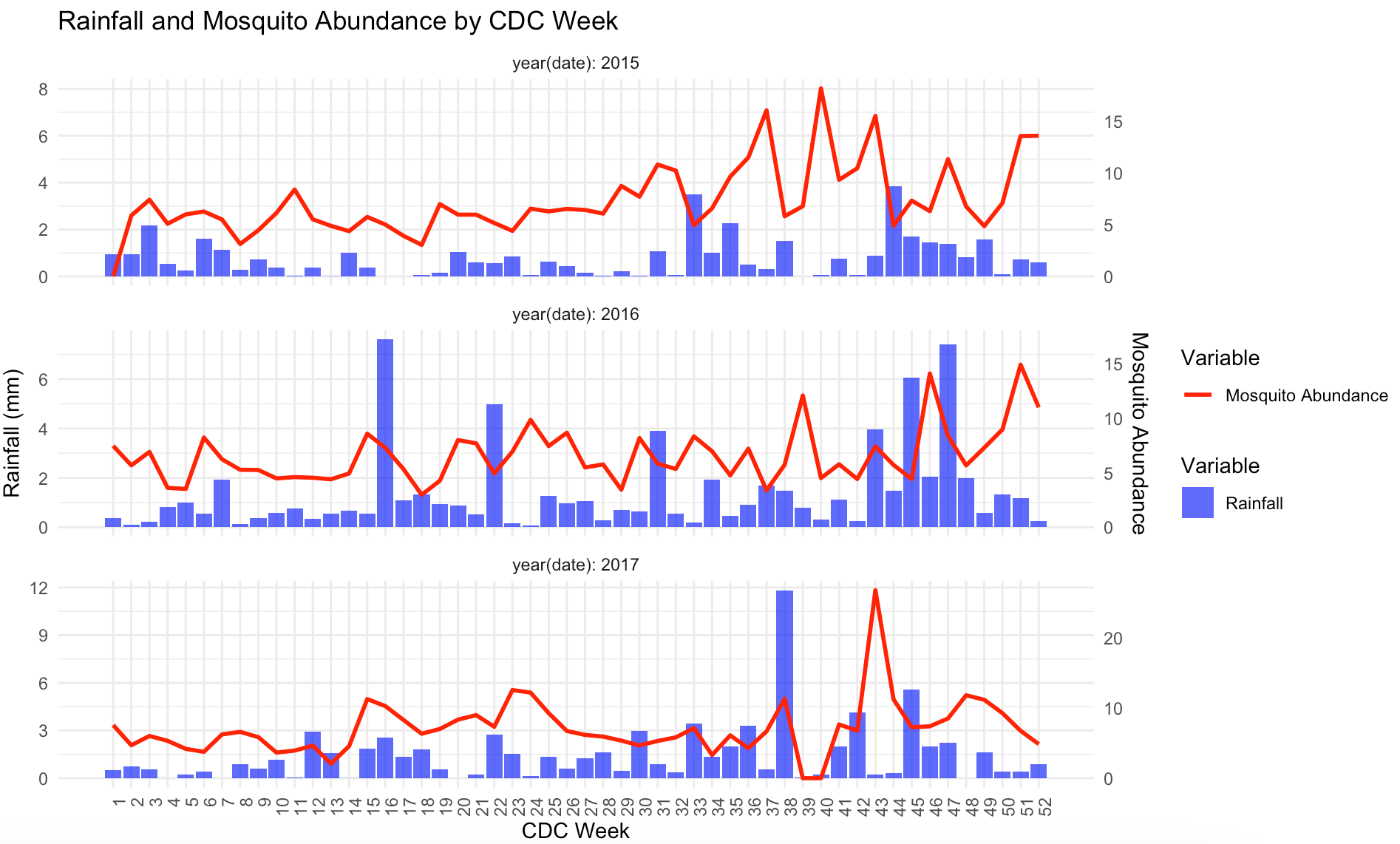
Mapping three years of data (2015, 2016, 2017) for rainfall against mosquito sightings, pool counts, and overall abundance (per Barrera et al., 2019) showed that mosquito abundance significantly increases following greater rainfall, as seen at weeks 38 and 43 of 2017, for example.
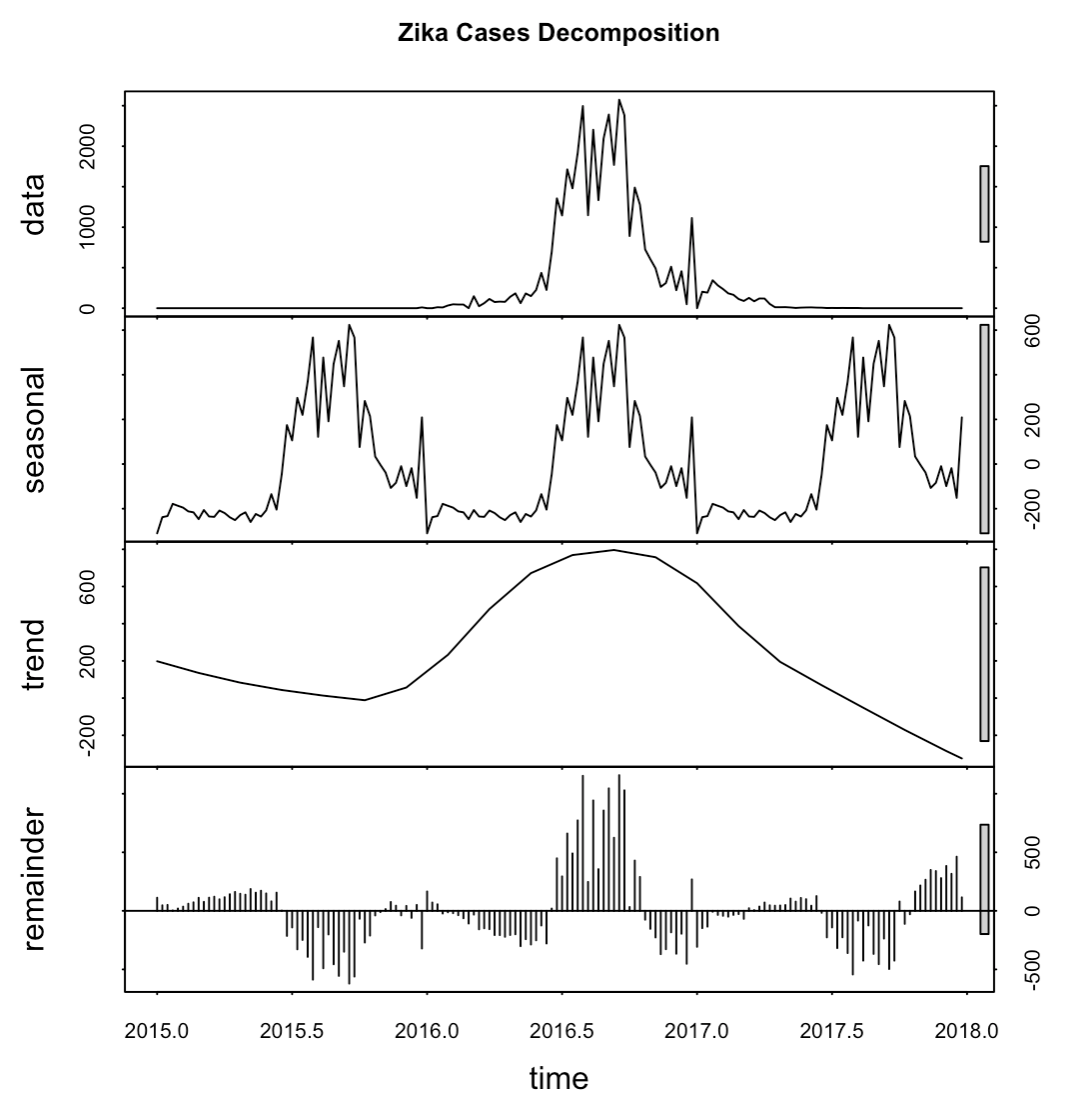
The time series decomposition revealed several patterns. The original time series showed large peaks coinciding with the 2016 Zika outbreak in Puerto Rico. The seasonal component showed consistent, recurring patterns of increased mosquito abundance following rainfall events, though few Zika cases were included due to a lack of corresponding data. The trend component showed a significant rise during the Zika epidemic followed by gradual decline — a decline that may be attributable to variables beyond rainfall or mosquito abundance, such as increased public health interventions. Irregular fluctuations could reflect localized outbreaks or anomalous weather events not accounted for here. Still, this decomposition helps illustrate the temporal dynamics of Zika transmission against environmental drivers such as rainfall from hurricanes, and their relationship to mosquito populations.
Discussion
In this study we examined the effects of rainfall on the transmission rate and incidence of Zika cases in Puerto Rico during 2015-2017. Using ArcGIS, we identified San Juan as the area with the highest abundance of Ae. aegypti and Ae. albopictus, and therefore the highest vector density. 2016 experienced the highest average rainfall, with multiple peaks between 5.5 and 7.5 inches, potentially creating favorable mosquito breeding conditions and amplifying transmission risk. In 2017, rainfall peaked at 11.5 inches during a single event associated with two hurricanes. While 2016 had no hurricanes, its consistently higher rainfall likely increased flooding, contributing to prolonged mosquito breeding and heightened transmission risk.
These findings highlight the geographic expansion of ZIKV vectors, which implicates ZIKV as a public health issue alongside other viruses known to be transmitted by the same vectors (e.g., Dengue and Chikungunya). This emphasizes the critical need for enhanced vector control and public health interventions, especially as nearly all regions of Puerto Rico carry these vectors and are prone to tropical storms and climate-related flooding. Increased reported sightings of mosquito vectors following heavy rainfall events likely reflect an increase in breeding locations from standing water, further increasing the likelihood of transmission.
The geographic expansion of Ae. albopictus has broadened the range of ZIKV transmission into previously non-endemic areas — examples include the introduction of West Nile virus to Hispaniola in 2004 and Zika to the Yap Islands in 2007 (Duffy et al., 2009). ZIKV reached the Americas in 2015, with widespread 2016 outbreaks affecting Texas, Florida, Puerto Rico, and the U.S. Virgin Islands. Of the 5,168 ZIKV cases reported in the continental U.S., 96% were travel-associated, while most of the 36,512 cases in U.S. territories were locally acquired, with only 145 linked to travel (CDC, 2024). This pattern underscores the importance of mosquito habitat in sustaining local transmission, particularly in tropical and subtropical regions.
Studies have shown Zika outbreaks were likely limited to the summer season and the Gulf Coast region, areas heavily populated by Ae. aegypti (Mina et al., 2020). Although the last reported U.S. Zika cases were in 2018-2019 in U.S. territories (CDC, 2024), it remains a concern since both Ae. albopictus and Ae. aegypti inhabit the Southeast U.S. and Puerto Rico (CDC, 2014). Given Puerto Rico’s endemic mosquito populations and the favorable climate of the southeastern U.S., global warming poses a considerable risk: as temperatures rise and tropical climates expand, higher mosquito reproduction and abundance would increase the likelihood of outbreaks. The 2016 outbreak demonstrated the significant role travel plays in amplifying transmission risk, particularly in regions frequented by tourists, with potential impacts on vulnerable populations such as pregnant individuals and their infants.
ZIKV infection during pregnancy can have lasting effects on both the pregnant person and the fetus. During the 2015-2017 outbreak, it was discovered that infection during pregnancy could lead to congenital Zika syndrome, or Zika-associated birth defects (Roth et al., 2022; CDC, 2024). These defects affect about 5% of babies born to infected mothers, with microcephaly the most common (CDC, 2024; Roth et al., 2022). Using census and outbreak data from 2016, Mina et al. characterized ZIKV exposure risk for pregnant women and infants in the U.S. (Mina et al., 2020; Guterman et al., 2018). Their model indicated birth seasonality (summer vs. winter births) significantly impacted exposure risk, with first-trimester exposure showing higher risk of birth defects than exposure in other trimesters, and no significant difference between symptomatic (5.3%) and asymptomatic (4.2%) mothers. Following exposure during pregnancy, 4% of pregnancies were lost, and 14% of infants born to exposed mothers had reported negative health outcomes associated with ZIKV (Rice et al., 2018).
Birth seasonality reduced first-trimester exposure risk by 11% (Mina et al., 2020; Guterman et al., 2018). Despite the entire southern Gulf Coast being at risk, Florida (40%), Texas (35%), and Louisiana (22%) contributed 97% of simulated outbreaks based on environmental and population parameters, a model validated against confirmed outbreak data with an excellent fit (\(R^2 = 0.980\); \(p < 0.0001\)) (Mina et al., 2020; Guterman et al., 2018). The authors estimate the incidence of exposure in pregnancy at approximately 15-20%. While this study focused on Puerto Rico, the geographic expansion of the vector into North America increases potential risk in the continental United States.
Climate change poses serious challenges to storm intensity and associated rainfall and flooding. Studies have found that while climate change may not significantly increase hurricane frequency, it increases storm intensity (category) and associated rainfall (Colbert, 2024; Marvel et al., 2023; Gutmann et al., 2018; Risser & Wehner, 2017). Stronger winds, more rainfall, and rising sea levels pose growing problems for communities along the Atlantic and Gulf coastlines (Colbert, 2024; May et al., 2023), particularly for low-lying coastal states at risk for successive hurricane landfalls without sufficient recovery time in between. Hurricanes Helene and Milton illustrate this: Hurricane Milton underwent extreme rapid intensification (~92 mph wind increase in 24 hours) due to record-high sea surface temperatures (Climate Central, 2024). The World Weather Attribution initiative found Milton to be more destructive, windier, and wetter as a result of climate change, with rainfall 20-30% heavier than it would otherwise have been, and concluded that Milton would have made landfall in Florida as a Category 2 rather than Category 3 storm absent climate change (World Weather Attribution, 2024). This illustrates that while climate change may not increase the number of storms, it increases their intensity and frequency within short timeframes — and in these back-to-back scenarios, flooding damages infrastructure while also contributing to disease transmission.
While rainfall and flooding are directly related to infectious disease transmission, the rise in cases seen shortly afterward may also result from factors associated with the aftermath of flooding that increase human exposure risk (Nasci et al., 1998; Watson et al., 2007). Damaged infrastructure, debris, and stagnant water create opportunities for new breeding sites, increasing overall mosquito population size (Watson et al., 2007). Migration patterns and behavioral changes also increase exposure risk: individuals residing or traveling in and out of flooded areas for extended periods face greater risk of infection (Lehman et al., 2007; Caillouët et al., 2008; Nasci et al., 1998), a risk that increases the longer people are exposed. This is common among rescue workers, evacuees, and displaced families as they move between endemic and non-endemic areas.
In conclusion, it is important to recognize both the effects climate change has already had and its potential impact on future storms and heavy rainfall events. Stronger, more intense storms often lead to increased rainfall, standing water, infrastructure damage in coastal regions, and large proliferations of mosquito vectors. Arboviral surveillance across Puerto Rico remains a crucial tool for organizations such as the CDC in reducing transmission and subsequent infections, and it is important to consider the serious implications these combined factors have on human health and vector-borne disease transmission.
Limitations
A significant limitation to answering the research question was limited access to raw outbreak data. Data requests directed to researchers on Zika outbreak cases, publication authors, and Puerto Rico public health officials regarding 2015-2017 mosquito abundance (trapping and sightings) were not fully returned, and follow-up was not reached regarding Zika case information, so summary reporting data was used instead. Our correlations and time series decomposition may therefore provide an incomplete picture of the temporal dynamics between these three variables. Many cited studies are conducted in San Juan specifically, raising the possibility of reporting bias toward the capital rather than truly higher vector abundance elsewhere. Additionally, while 2016 was a busy hurricane season overall, no named hurricane or tropical storm made landfall in Puerto Rico that year. A strength of this study was the ability to visualize the relationship between rainfall and mosquito sightings in Puerto Rico using local rainfall records and ArcGIS.
Acknowledgements
We greatly appreciate the correspondence and datasets provided by Dr. Roberto Barrera of the CDC’s Puerto Rico branch, who generously explained how to interpret his datasets and played a pivotal role in this project.
References
Adelman, Z. N., Anderson, M. A., Wiley, M. R., Murreddu, M. G., Samuel, G. H., Morazzani, E. M., & Myles, K. M. (2013). Cooler temperatures destabilize RNA interference and increase susceptibility of disease vector mosquitoes to viral infection. PLoS Negl Trop Dis, 7(5), e2239.
Analysis: Ocean temperatures warmed by climate change provided fuel for Hurricane Milton’s extreme rapid intensification. Climate Central. (2024). climatecentral.org
Armbruster, P. A. (2016). Photoperiodic diapause and the establishment of Aedes albopictus (Diptera: Culicidae) in North America. J Med Entomol, 53(5), 1013-1023.
Barrera, R., Felix, G., Acevedo, V., Amador, M., Rodriguez, D., Rivera, L., Gonzalez, O., Nazario, N., Ortiz, M., Muñoz-Jordan, J. L., Waterman, S. H., & Hemme, R. R. (2019). Impacts of Hurricanes Irma and Maria on Aedes aegypti populations, aquatic habitats, and mosquito infections with Dengue, Chikungunya, and Zika viruses in Puerto Rico. American Journal of Tropical Medicine and Hygiene, 100(6), 1413–1420. doi.org/10.4269/ajtmh.19-0015
Bhardwaj, U., Pandey, N., Rastogi, M., & Singh, S. K. (2021). Gist of Zika virus pathogenesis. Virology, 560, 86-95.
Brady, O. J., & Hay, S. I. (2020). The global expansion of dengue: How Aedes aegypti mosquitoes enabled the first pandemic arbovirus. Annual Review of Entomology, 65, 191–208. doi.org/10.1146/annurev-ento-011019-024918
Buathong, R., Hermann, L., Thaisomboonsuk, B., Rutvisuttinunt, W., Klungthong, C., Chinnawirotpisan, P., Manasatienkij, W., Nisalak, A., Fernandez, S., Yoon, I. K., Akrasewi, P., & Plipat, T. (2015). Detection of Zika virus infection in Thailand, 2012-2014. Am J Trop Med Hyg, 93(2), 380-383.
Caillouët, K. A., Michaels, S. R., Xiong, X., et al. (2008). Increase in West Nile neuroinvasive disease after Hurricane Katrina. Emerging Infectious Diseases, 14(5), 804-807.
Carteaux, G., Maquart, M., Bedet, A., Contou, D., Brugières, P., Fourati, S., Cleret de Langavant, L., de Broucker, T., Brun-Buisson, C., Leparc-Goffart, I., & Mekontso Dessap, A. (2016). Zika virus associated with meningoencephalitis. New England Journal of Medicine, 374(16), 1595-1596.
CDC. Zika cases in the United States. Zika Virus. Published May 17, 2024. cdc.gov
CDC. Zika in the US. Zika Virus. Published November 5, 2014. cdc.gov
CDC. Congenital Zika syndrome and other birth defects. Zika Virus. Published May 7, 2024. cdc.gov
Colbert, A. A force of nature: Hurricanes in a changing climate. NASA Science. Published March 18, 2024. science.nasa.gov
Cui, G., Zhong, S., Zheng, T., Li, Z., Zhang, X., Li, C., Hemming-Schroeder, E., Zhou, G., & Li, Y. (2021). Aedes albopictus life table: environment, food, and age dependence survivorship and reproduction in a tropical area. Parasites & Vectors, 14(1), 568.
da Silva, A. F., Machado, L. C., da Silva, L. M. I., Dezordi, F. Z., & Wallau, G. L. (2024). Highly divergent and diverse viral community infecting sylvatic mosquitoes from Northeast Brazil. J Virol, 98, e00083-24. doi.org/10.1128/jvi.00083-24
Denlinger, D. L., & Armbruster, P. A. (2014). Mosquito diapause. Annu Rev Entomol, 59, 73-93.
Domingo, E., Sabo, D., Taniguchi, T., & Weissmann, C. (1978). Nucleotide sequence heterogeneity of an RNA phage population. Cell, 13(4), 735-744.
Duffy, M. R., Chen, T. H., Hancock, W. T., Powers, A. M., Kool, J. L., Lanciotti, R. S., et al. (2009). Zika virus outbreak on Yap Island, Federated States of Micronesia. N Engl J Med, 360(24), 2536-2543.
El Costa, H., Gouilly, J., Mansuy, J.-M., Chen, Q., Levy, C., Cartron, G., Veas, F., Al-Daccak, R., Izopet, J., & Jabrane-Ferrat, N. (2016). ZIKA virus reveals broad tissue and cell tropism during the first trimester of pregnancy. Scientific Reports, 6(1), 35296.
Faye, O., Freire, C. C. M., Iamarino, A., Faye, O., de Oliveira, J. V. C., Diallo, M., Zanotto, P. M. A., & Sall, A. A. (2014). Molecular evolution of Zika virus during its emergence in the 20th century. PLoS Negl Trop Dis, 8(1), e2636.
Gloria-Soria, A., Armstrong, P. M., Powell, J. R., & Turner, P. E. (2017). Infection rate of Aedes aegypti mosquitoes with dengue virus depends on the interaction between temperature and mosquito genotype. Proc Biol Sci, 284(1864).
Gutmann, E. D., Rasmussen, R. M., Liu, C., Ikeda, K., Bruyere, C. L., Done, J. M., Garrè, L., Friis-Hansen, P., & Veldore, V. (2018). Changes in hurricanes from a 13-yr convection-permitting pseudo–global warming simulation. Journal of Climate, 31(9), 3643-3657. doi.org/10.1175/JCLI-D-17-0391.1
Haddow, A. D., Schuh, A. J., Yasuda, C. Y., Kasper, M. R., Heang, V., Huy, R., Guzman, H., Tesh, R. B., & Weaver, S. C. (2012). Genetic characterization of Zika virus strains: geographic expansion of the Asian lineage. PLoS Negl Trop Dis, 6(2), e1477.
Hamel, R., Dejarnac, O., Wichit, S., Ekchariyawat, P., Neyret, A., Luplertlop, N., et al. (2015). Biology of Zika virus infection in human skin cells. J Virol, 89(17), 8880-8896.
Heukelbach, J., Alencar, C. H., Kelvin, A. A., de Oliveira, W. K., & Pamplona de Góes Cavalcanti, L. (2016). Zika virus outbreak in Brazil. J Infect Dev Ctries, 10(2), 116-120.
Hinojosa, S., Alquiza, A., Guerrero, C., Vanegas, D., Tapangan, N., Cano, N., & Olivarez, E. (2020). Detection of a locally-acquired Zika virus outbreak in Hidalgo County, Texas through increased antenatal testing in a high-risk area. Tropical Medicine and Infectious Disease, 5(3), 128. doi.org/10.3390/tropicalmed5030128
Holland, J., Spindler, K., Horodyski, F., Grabau, E., Nichol, S., & VandePol, S. (1982). Rapid evolution of RNA genomes. Science, 215(4540), 1577-1585.
Huber, J. H., Childs, M. L., Caldwell, J. M., & Mordecai, E. A. (2018). Seasonal temperature variation influences climate suitability for dengue, chikungunya, and Zika transmission. PLoS Negl Trop Dis, 12(5), e0006451.
Juliano, S. A., Lounibos, L. P., & O’Meara, G. F. (2004). A field test for competitive effects of Aedes albopictus on A. aegypti in South Florida: differences between sites of coexistence and exclusion? Oecologia, 139(4), 583-593.
Keellings, D., & Hernández Ayala, J. J. (2019). Extreme rainfall associated with Hurricane Maria over Puerto Rico and its connections to climate variability and change. Geophysical Research Letters, 46(5), 2964–2973. doi.org/10.1029/2019gl082077
Laporta, G. Z., Potter, A. M., Oliveira, J. F. A., Bourke, B. P., Pecor, D. B., & Linton, Y. M. (2023). Global distribution of Aedes aegypti and Aedes albopictus in a climate change scenario of regional rivalry. Insects, 14(1), 49. doi.org/10.3390/insects14010049
Lehman, J. A., Hinckley, A. F., Kniss, K. L., et al. (2007). Effect of Hurricane Katrina on arboviral disease transmission. Emerging Infectious Diseases, 13(8), 1273.
Li, C., Xu, D., Ye, Q., Hong, S., Jiang, Y., Liu, X., Zhang, N., Shi, L., Qin, C.-F., & Xu, Z. (2016). Zika virus disrupts neural progenitor development and leads to microcephaly in mice. Cell Stem Cell, 19(1), 120-126.
Macnamara, F. N. (1954). Zika virus: a report on three cases of human infection during an epidemic of jaundice in Nigeria. Trans R Soc Trop Med Hyg, 48(2), 139-145.
Marvel, K., Su, W., Delgado, R., Aarons, S., Chatterjee, A., Garcia, M. E., Hausfather, Z., Hayhoe, K., Hence, D. A., Jewett, E. B., Robel, A., Singh, D., Tripati, A., & Vose, R. S. (2023). Climate trends. In Fifth National Climate Assessment. U.S. Global Change Research Program. doi.org/10.7930/NCA5.2023.CH2
May, C. L., Osler, M. S., Stockdon, H. F., Barnard, P. L., Callahan, J. A., Collini, R. C., Ferreira, C. M., Finzi Hart, J., Lentz, E. E., Mahoney, T. B., Sweet, W., Walker, D., & Weaver, C. P. (2023). Coastal effects. In Fifth National Climate Assessment. U.S. Global Change Research Program. doi.org/10.7930/NCA5.2023.CH9
Michlmayr, D., Andrade, P., Gonzalez, K., Balmaseda, A., & Harris, E. (2017). CD14+CD16+ monocytes are the main target of Zika virus infection in peripheral blood mononuclear cells in a paediatric study in Nicaragua. Nat Microbiol, 2(11), 1462-1470.
Mina, M. J., Guterman, L. B., Allen, K. E., & Omer, S. B. (2020). Comprehensive profiling of Zika virus risk with natural and artificial mitigating strategies, United States. Emerg Infect Dis, 26(4), 700-710.
Miner, J. J., Sene, A., Richner, J. M., Smith, A. M., Santeford, A., Ban, N., Weger-Lucarelli, J., Manzella, F., Rückert, C., Govero, J., Noguchi, K. K., Ebel, G. D., Diamond, M. S., & Apte, R. S. (2016). Zika virus infection in mice causes panuveitis with shedding of virus in tears. Cell Rep, 16(12), 3208-3218.
Mlakar, J., Korva, M., Tul, N., Popović, M., Poljšak-Prijatelj, M., Mraz, J., et al. (2016). Zika virus associated with microcephaly. New England Journal of Medicine, 374(10), 951-958.
Murray, K. O., Gorchakov, R., Carlson, A. R., Berry, R., Lai, L., Natrajan, M., Garcia, M. N., Correa, A., Patel, S. M., Aagaard, K., & Mulligan, M. J. (2017). Prolonged detection of Zika virus in vaginal secretions and whole blood. Emerg Infect Dis, 23(1), 99-101.
Musso, D., & Gubler, D. J. (2016). Zika virus. Clin Microbiol Rev, 29(3), 487-524.
Musso, D., Roche, C., Nhan, T.-X., Robin, E., Teissier, A., & Cao-Lormeau, V.-M. (2015). Detection of Zika virus in saliva. Journal of Clinical Virology, 68, 53-55.
Musso, D., Nhan, T., Robin, E., Roche, C., Bierlaire, D., Zisou, K., Shan Yan, A., Cao-Lormeau, V. M., & Broult, J. (2014). Potential for Zika virus transmission through blood transfusion demonstrated during an outbreak in French Polynesia, November 2013 to February 2014. Euro Surveill, 19(14).
Nasci, R. S., & Moore, C. G. (1998). Vector-borne disease surveillance and natural disasters. Emerg Infect Dis, 4(2), 333-334.
NOAA’s National Weather Service. (n.d.). Climate. weather.gov
Oliveira Melo, A. S., Malinger, G., Ximenes, R., Szejnfeld, P. O., Alves Sampaio, S., & Bispo de Filippis, A. M. (2016). Zika virus intrauterine infection causes fetal brain abnormality and microcephaly: tip of the iceberg? Ultrasound Obstet Gynecol, 47(1), 6-7.
Rice, M. E., Galang, R. R., Roth, N. M. (2018). Vital signs: Zika-associated birth defects and neurodevelopmental abnormalities possibly associated with congenital Zika virus infection — U.S. territories and freely associated states, 2018. MMWR Morb Mortal Wkly Rep, 67, 858-867.
Risser, M. D., & Wehner, M. F. (2017). Attributable human-induced changes in the likelihood and magnitude of the observed extreme precipitation during Hurricane Harvey. Geophysical Research Letters, 44(24). doi.org/10.1002/2017gl075888
Roth, N. M., Reynolds, M. R., Lewis, E. L. (2022). Zika-associated birth defects reported in pregnancies with laboratory evidence of confirmed or possible Zika virus infection — U.S. Zika Pregnancy and Infant Registry, December 1, 2015–March 31, 2018. MMWR Morb Mortal Wkly Rep, 71, 73-79.
Sharp, T. M., Quandelacy, T. M., Adams, L. E., Aponte, J. T., Lozier, M. J., Ryff, K., Flores, M., Rivera, A., Santiago, G. A., Muñoz-Jordán, J. L., Alvarado, L. I., Rivera-Amill, V., Garcia-Negrón, M., Waterman, S. H., Paz-Bailey, G., Johansson, M. A., & Rivera-Garcia, B. (2020). Epidemiologic and spatiotemporal trends of Zika virus disease during the 2016 epidemic in Puerto Rico. PLoS Negl Trop Dis, 14(9), e0008532.
Smithburn, K. C., Kerr, J. A., & Gatne, P. B. (1954). Neutralizing antibodies against certain viruses in the sera of residents of India. J Immunol, 72(4), 248-257.
Tesla, B., Demakovsky, L. R., Packiam, H. S., Mordecai, E. A., Rodríguez, A. D., Bonds, M. H., Brindley, M. A., & Murdock, C. C. (2018). Estimating the effects of variation in viremia on mosquito susceptibility, infectiousness, and R0 of Zika in Aedes aegypti. PLoS Negl Trop Dis, 12(8), e0006733.
Watson, J. T., Gayer, M., & Connolly, M. A. (2007). Epidemics after natural disasters. Emerg Infect Dis, 13(1), 1-5.
World Health Organization. (2022). Launch of the Global Arbovirus Initiative. who.int
World Weather Attribution. (2024). Yet another hurricane wetter, windier and more destructive because of climate change. worldweatherattribution.org
Yang, D., He, Y., Ni, W., Lai, Q., Yang, Y., Xie, J., Zhu, T., Zhou, G., & Zheng, X. (2020). Semi-field life-table studies of Aedes albopictus (Diptera: Culicidae) in Guangzhou, China. PLoS One, 15(3), e0229829.